The Importance of Cultural Events in Communities
Cultural events play a significant role in fostering community connections, enhancing local identity, and promoting social cohesion. Understanding their importance can help communities intentionally support and organize such events for collective benefit.
Understanding the Role of Cultural Events
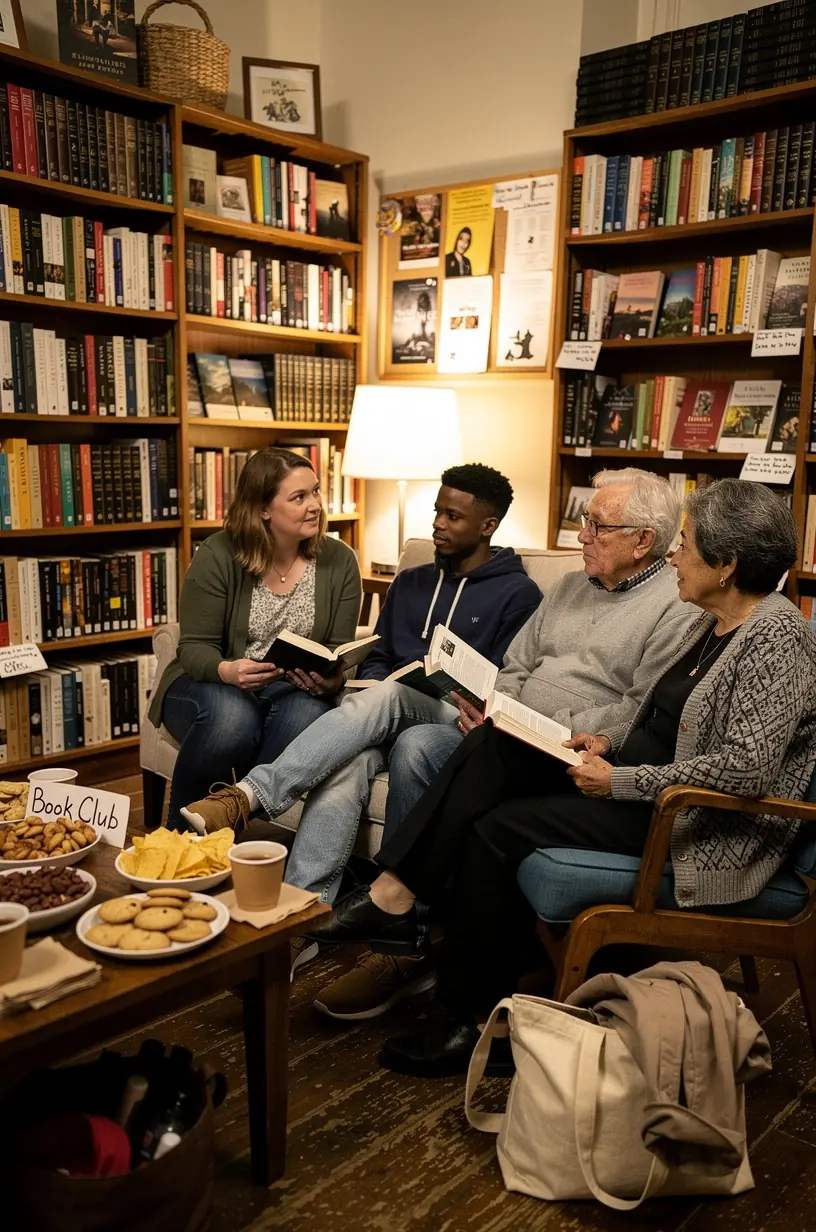
Cultural events, which include festivals, art exhibitions, and performances, often serve as a reflection of a community's identity. According to research by the National Endowment for the Arts, participation in cultural activities is associated with higher levels of social engagement and community pride.
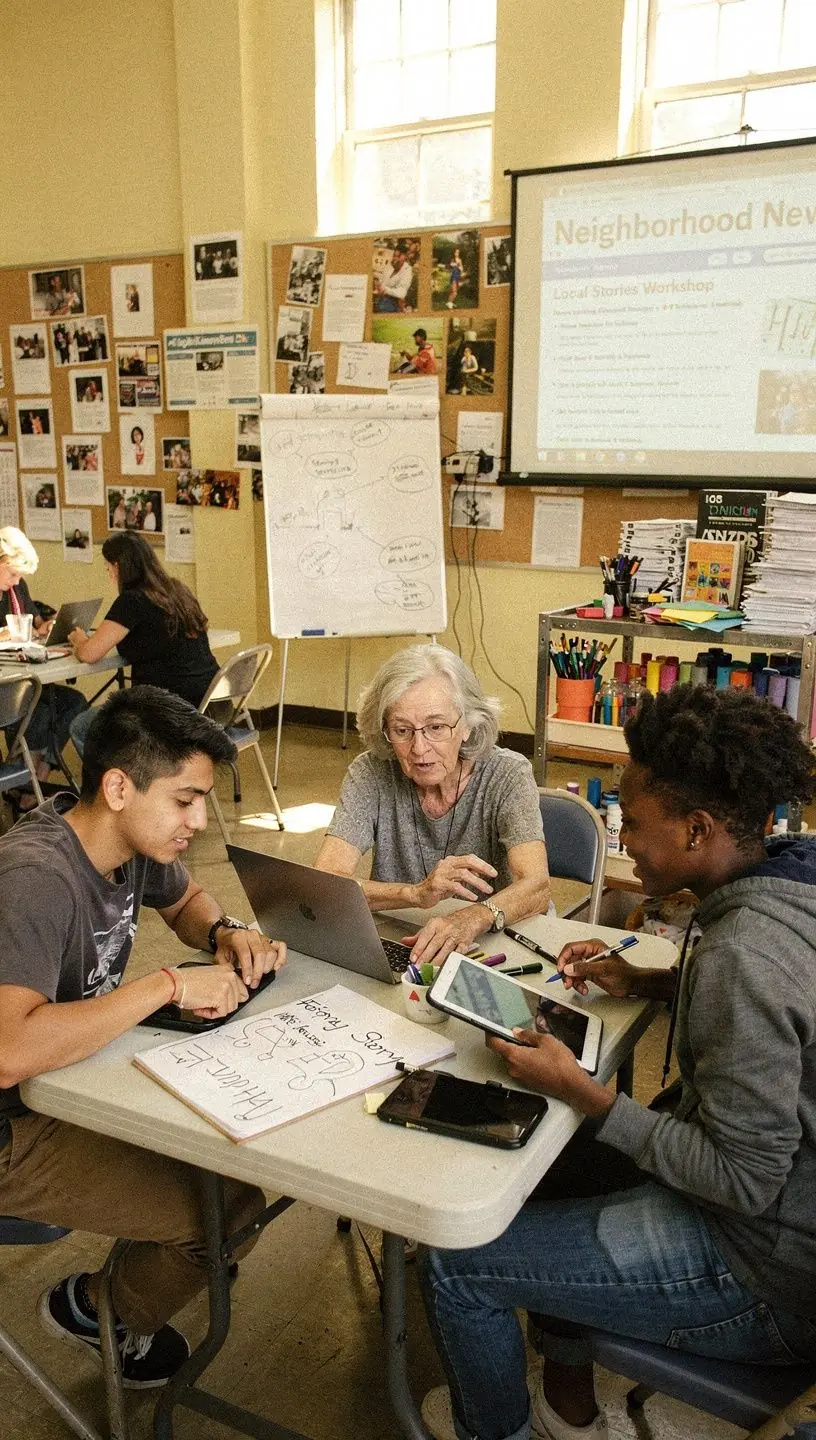
"Cultural events not only enrich the lives of individuals, but they also strengthen the fabric of the community." - Community Development Expert
Benefits of Cultural Events
These events can provide numerous benefits, including:
- Fostering Social Connections: Many individuals report feeling more connected to their neighbors and local culture when participating in community events.
- Supporting Local Economies: Studies indicate that cultural festivals often drive economic activity by attracting visitors and supporting local businesses. For instance, events can boost sales for nearby restaurants and shops.
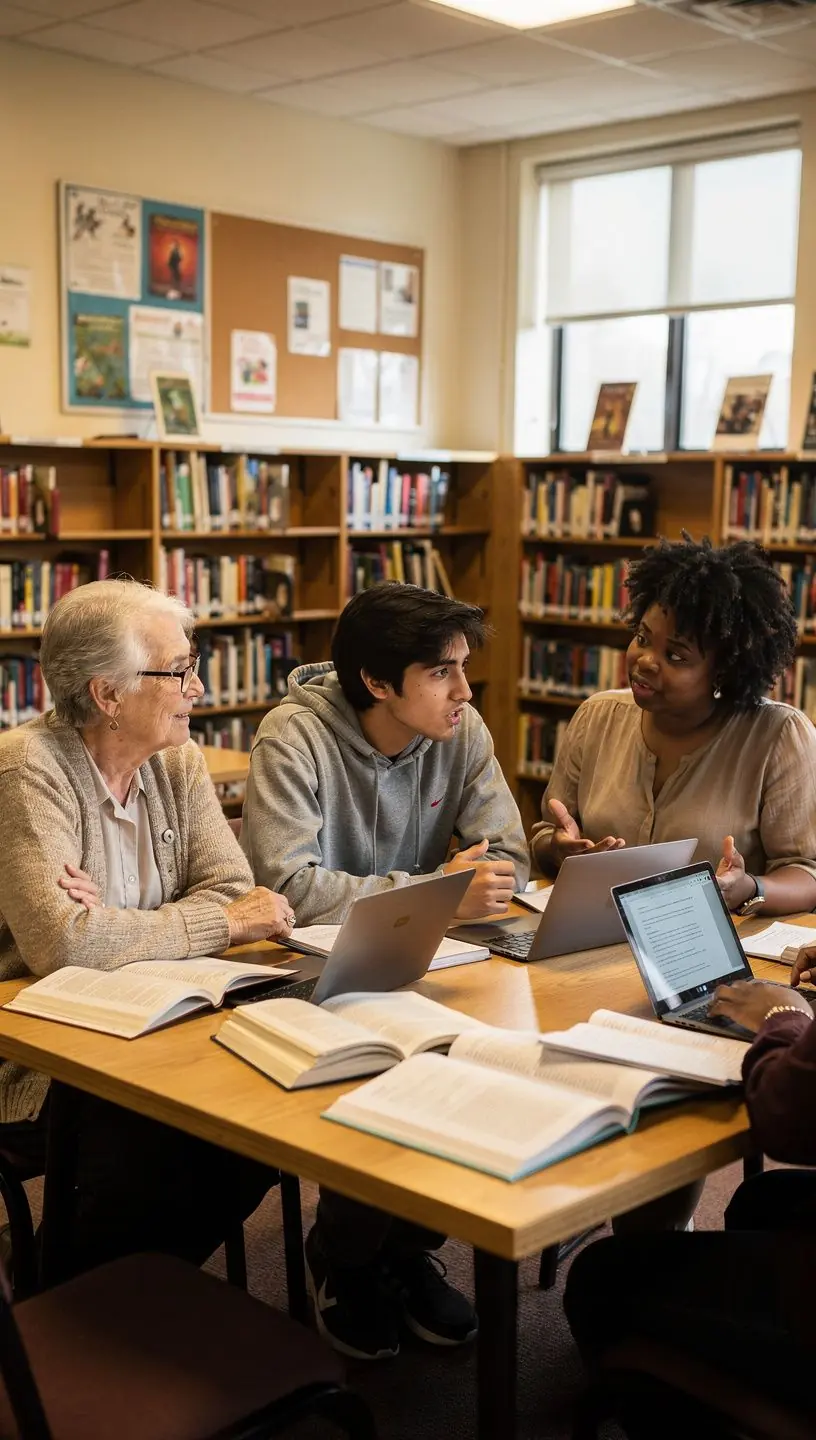
- Encouraging Inclusivity: Cultural gatherings can promote diversity and inclusivity, bringing together individuals from various backgrounds to celebrate shared experiences.
How to Organize Successful Cultural Events
Organizing a cultural event typically involves several key steps:
- Identify Community Interests: Engaging with community members to understand their interests and preferences can ensure the event resonates with a broad audience.
- Plan Logistically: This includes securing permits, selecting venues, and coordinating with local artists and vendors. It is advisable to start planning several months in advance to address potential challenges.
- Promote Strategically: Effective promotion through social media, local newspapers, and community bulletin boards can significantly enhance attendance. Experts recommend leveraging local influencers to reach a wider audience.
Challenges and Considerations
While organizing cultural events can be rewarding, it is essential to acknowledge potential challenges:
- Funding: Many events require financial support, which can involve grant applications or sponsorships from local businesses.
- Weather and Timing: Outdoor events are often at the mercy of weather conditions, and careful consideration of timing can help maximize attendance.
- Community Engagement: Building interest and participation may take time and effort, with some communities showing varying levels of engagement. Surveys can help gauge interest levels effectively.
Conclusion: The Long-Term Impact of Cultural Events
In conclusion, cultural events offer invaluable opportunities for communities to unite, celebrate diversity, and promote local pride. By recognizing their importance and committing to their organization, communities can foster a vibrant social landscape that benefits all residents. Remember that the success of these events often lies not only in the activities themselves but in the connections they create and the shared experiences they cultivate.