How to Create Safe Spaces in Neighborhoods
Creating safe spaces in neighborhoods is essential for fostering a strong sense of community and well-being. According to research, neighborhoods that prioritize safety and inclusivity often see improved interactions among residents and reduced crime rates. This article will explore effective strategies for establishing safe spaces that cater to diverse community needs.
Understanding the Importance of Safe Spaces
Safe spaces serve as vital areas where individuals feel secure to express themselves and engage with others. Experts recommend that such environments are crucial for community cohesion, as they encourage open dialogue and foster mutual respect. Studies show that when people feel safe in their surroundings, they are more likely to participate actively in community events and activities.

"A sense of safety is foundational to community engagement and collective well-being." - Community Development Expert
Steps to Create Safe Spaces
Establishing safe spaces involves thoughtful planning and community involvement. Here are several strategies that can contribute to this goal:
- Engage Community Members: Involve residents in discussions about their needs and expectations. Research indicates that community-led initiatives often yield better results, as local input allows for solutions tailored to specific neighborhood challenges.
- Design Accessible Areas: Ensure that public spaces are physically accessible to all community members. This typically involves creating well-lit pathways, removing physical barriers, and incorporating seating areas. Accessibility is critical; according to urban planning studies, accessible design promotes increased use of public spaces.
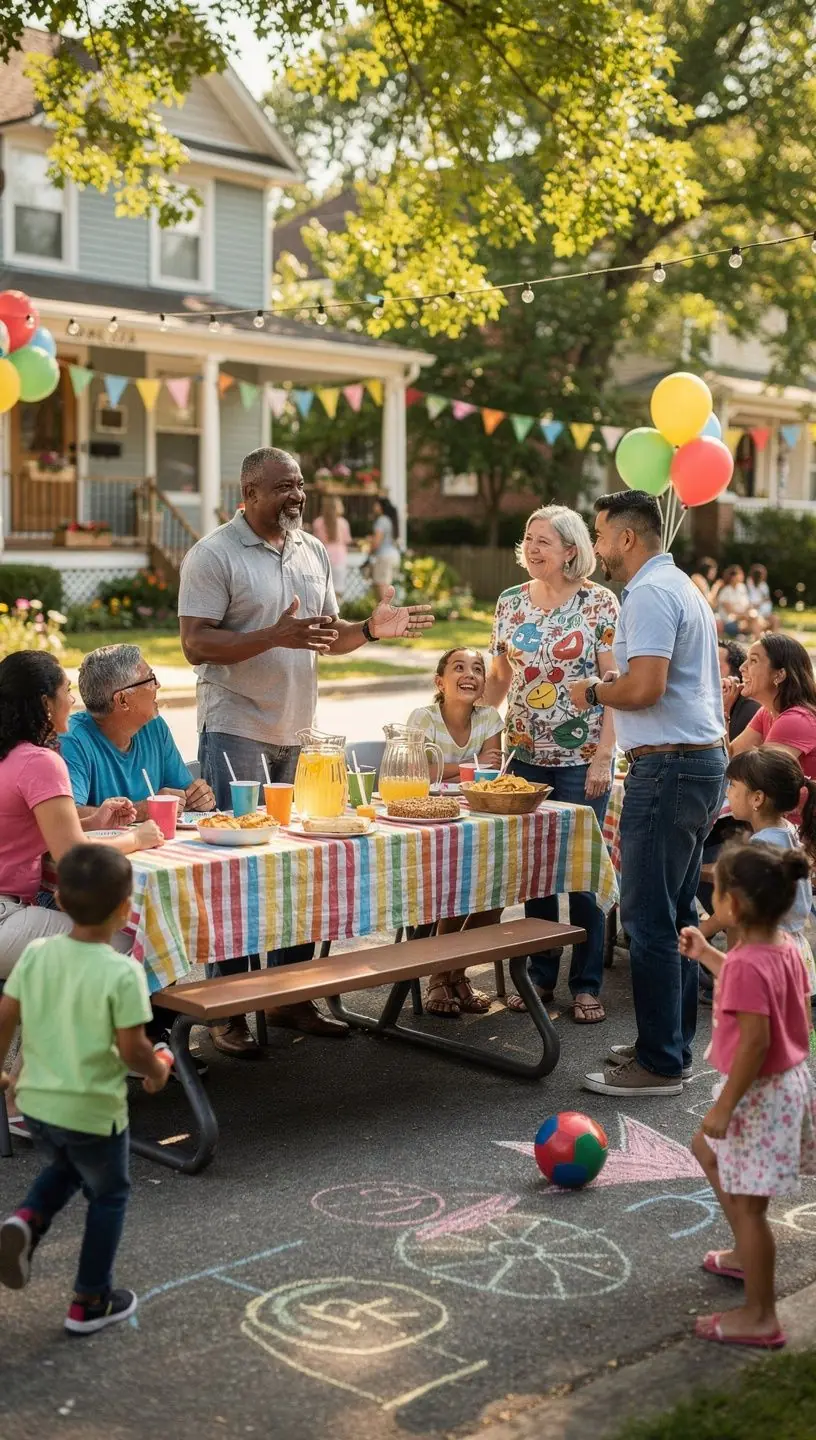
- Foster Participation: Organize community events that encourage involvement from diverse groups. Activities such as neighborhood clean-ups, picnics, or cultural festivals can strengthen bonds among residents. Studies show that engagement in such activities leads to a greater sense of ownership and responsibility toward the community.
- Implement Safety Measures: While creating inviting spaces, consider practical safety measures, such as neighborhood watch programs or increased lighting in public areas. Research suggests that visible security features can deter crime and enhance residents' feelings of safety.
Challenges and Considerations
While the goal of creating safe spaces is admirable, it is essential to acknowledge potential challenges. Establishing these areas often requires time and a commitment from community members. Engaging residents in the planning process might take several weeks, and it may require ongoing input to adapt to evolving needs. Moreover, what works best in one neighborhood may not be suitable for another, necessitating a tailored approach.
Conclusion
Creating safe spaces in neighborhoods is a continuous process that demands community involvement, thoughtful design, and a focus on accessibility. By engaging residents, fostering participation, and implementing effective safety measures, neighborhoods can cultivate environments that promote safety and inclusivity. A commitment to these strategies may lead to lasting positive change, enhancing the quality of life for all community members.
Learn More