Insights into Building Trust within Communities
Building trust within communities is essential for fostering meaningful relationships and encouraging collaboration. This article explores effective strategies that can enhance trust among community members, supported by research and expert recommendations.
Understanding the Importance of Trust
Trust is a fundamental component of any healthy community. According to research published in the Journal of Community Psychology, communities with high levels of trust often experience greater social cohesion and lower crime rates. This connection is essential because, in many cases, trust facilitates open communication and cooperation among residents.
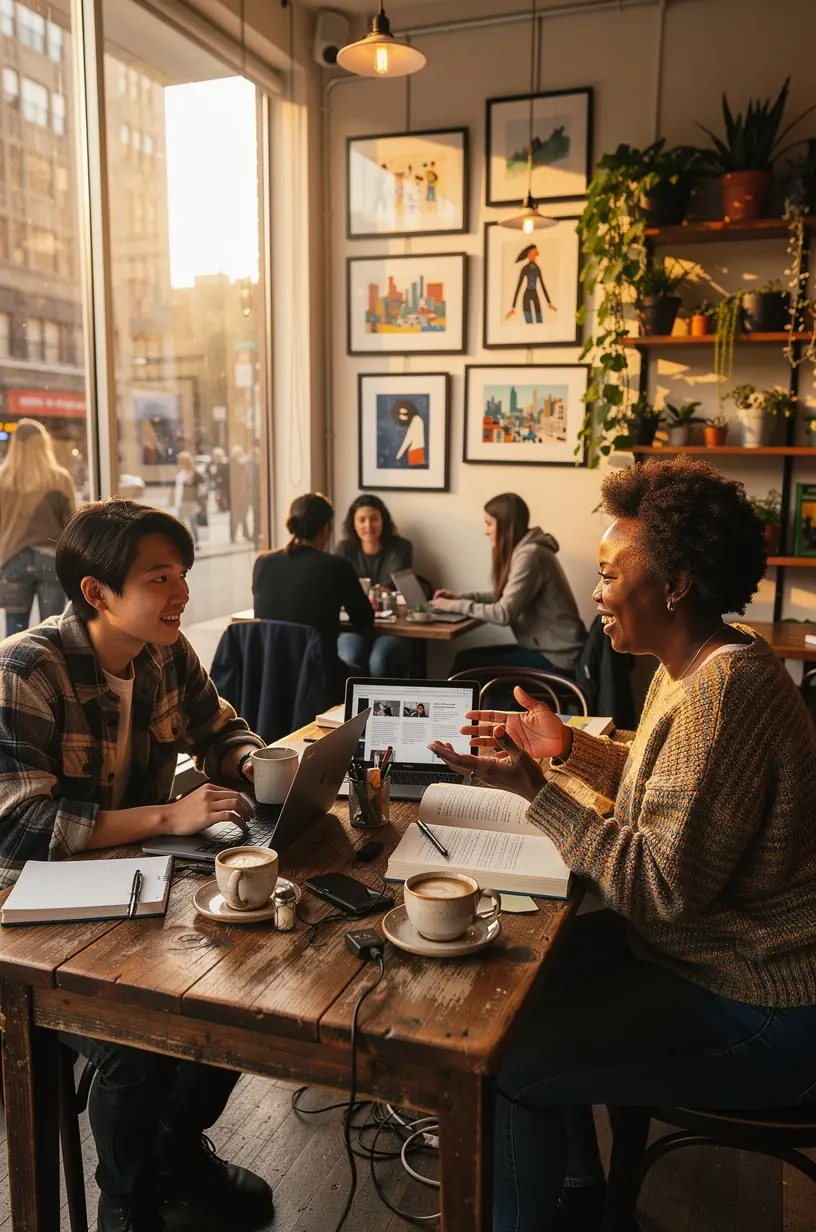
"Trust is the glue that holds communities together, allowing individuals to work towards common goals." - Community Development Expert
Key Strategies to Foster Trust
Building trust typically requires a consistent effort over time. Here are several strategies that can be effective:
- Open Communication: Regularly sharing information among community members can foster transparency. Studies show that communities with effective communication channels tend to have higher trust levels.
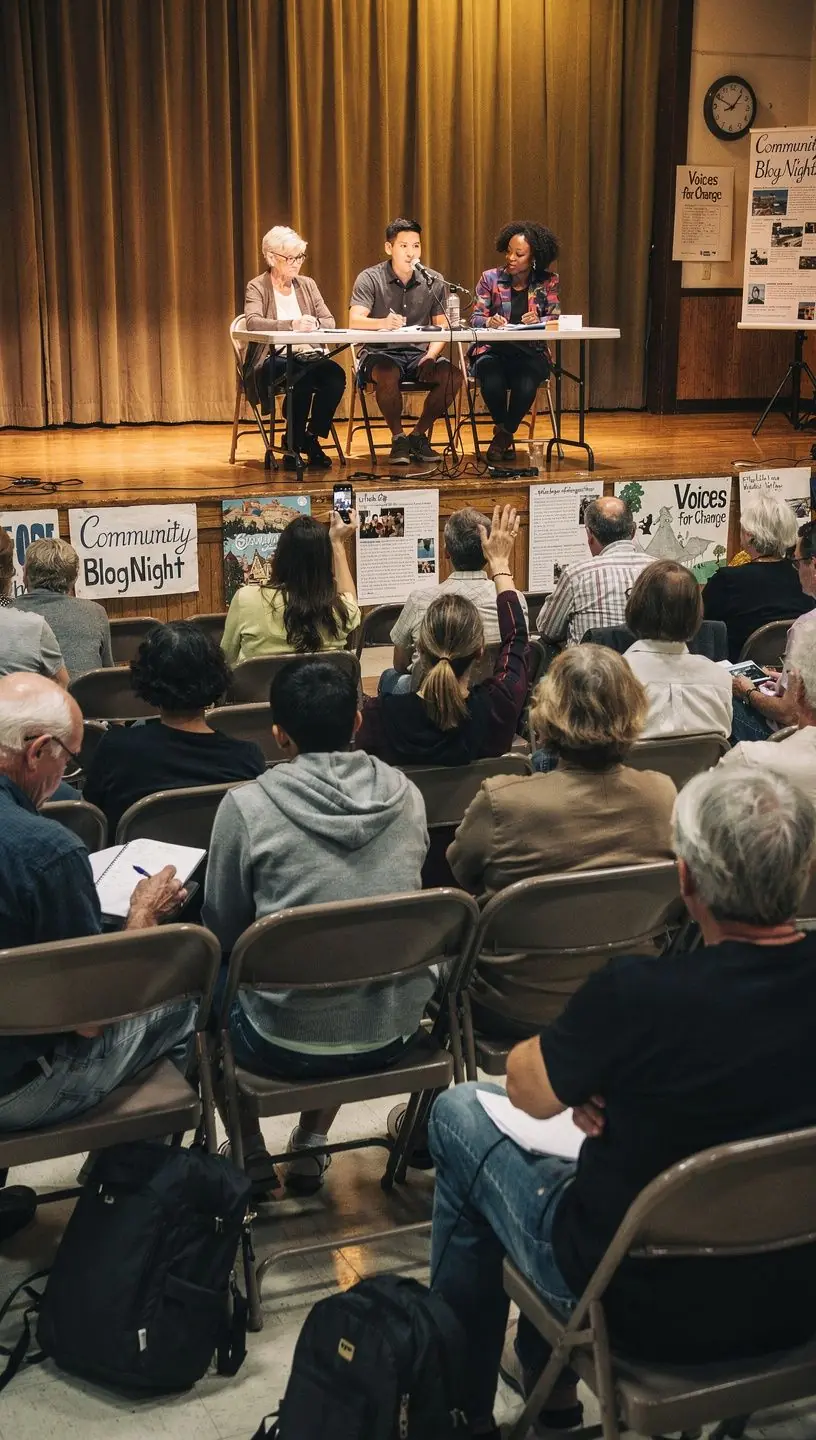
- Active Engagement: Encouraging participation in community events and discussions can help individuals feel valued. Experts recommend that communities host regular meetings to address concerns and gather feedback.
- Promote Accountability: Establishing clear roles and responsibilities within the community can enhance trust. When individuals are held accountable, it creates an environment where others feel confident in their interactions.
Building Relationships Through Collaboration
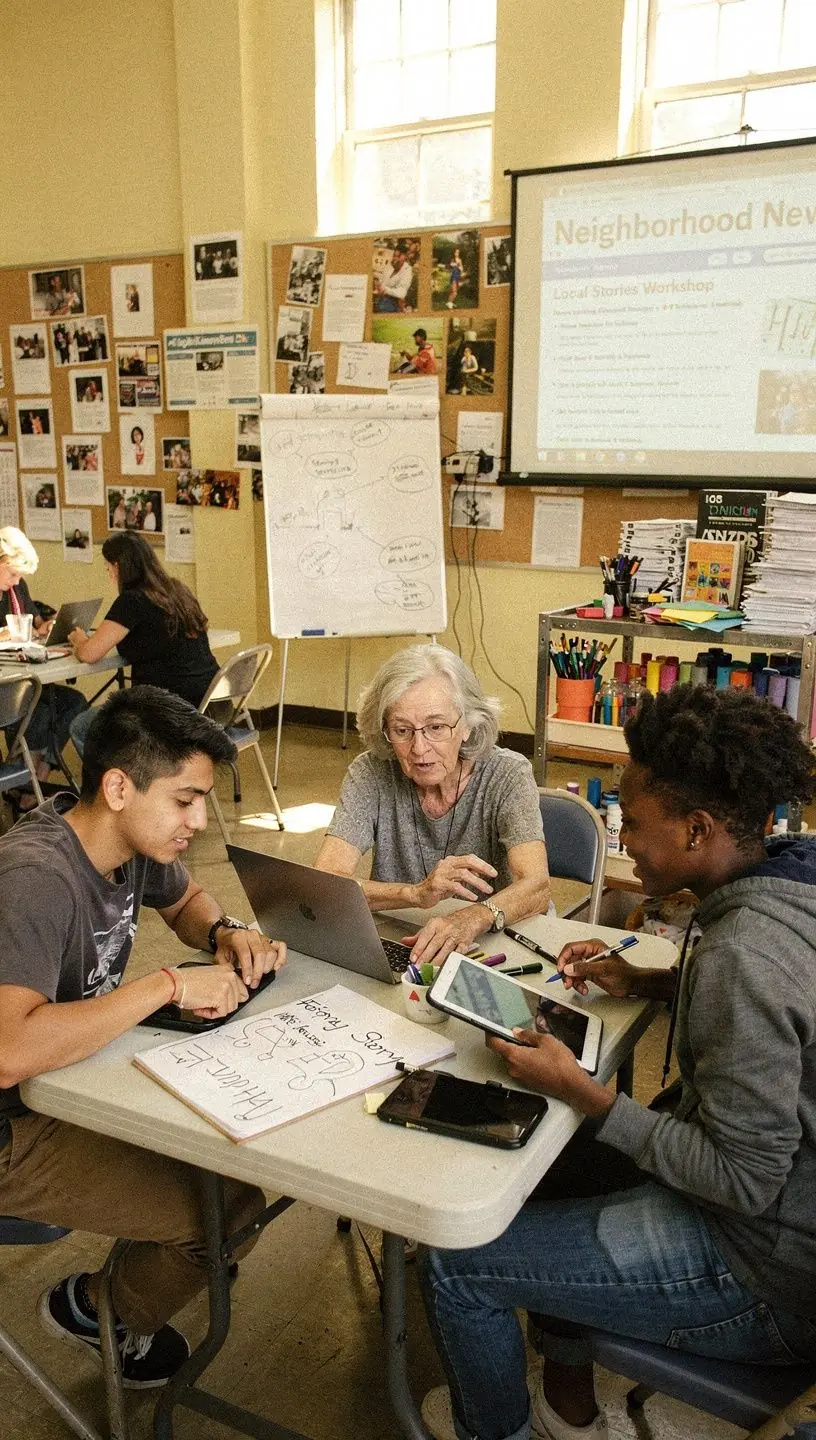
Collaboration among community members often leads to stronger relationships. Research indicates that communities that engage in cooperative projects are more likely to develop trust. Here are some practical steps that can be taken:
- Identify common interests and goals that the community shares.
- Organize collaborative activities, such as community service projects, which can help facilitate teamwork.
- Celebrate successes together, reinforcing positive experiences and shared achievements.
Challenges to Building Trust
While there are many effective methods for fostering trust, it is essential to acknowledge that challenges can arise. Some individuals may have past experiences that lead to distrust, and building a trusting relationship can take time. Strategies like patience, follow-through on commitments, and empathy are crucial for overcoming these hurdles.
Conclusion
Building trust within communities is a gradual process that involves consistent effort and a commitment to open communication. By focusing on collaborative practices and actively engaging with community members, it is possible to cultivate a trustworthy atmosphere. Remember, enhancing trust not only benefits individual relationships but can also lead to a more cohesive and resilient community.