Practical Steps for Organizing Community Events
Organizing community events can be a fulfilling endeavor that fosters connections and promotes local engagement. However, it requires careful planning and execution to ensure success. This article outlines practical steps and considerations that can guide you through the process of organizing impactful community events.
Understanding the Importance of Community Events
Community events serve as a vital platform for bringing people together. According to research, such events can strengthen social ties and improve community cohesion. By providing opportunities for interaction, these gatherings often lead to increased participation in local initiatives and a stronger sense of belonging.
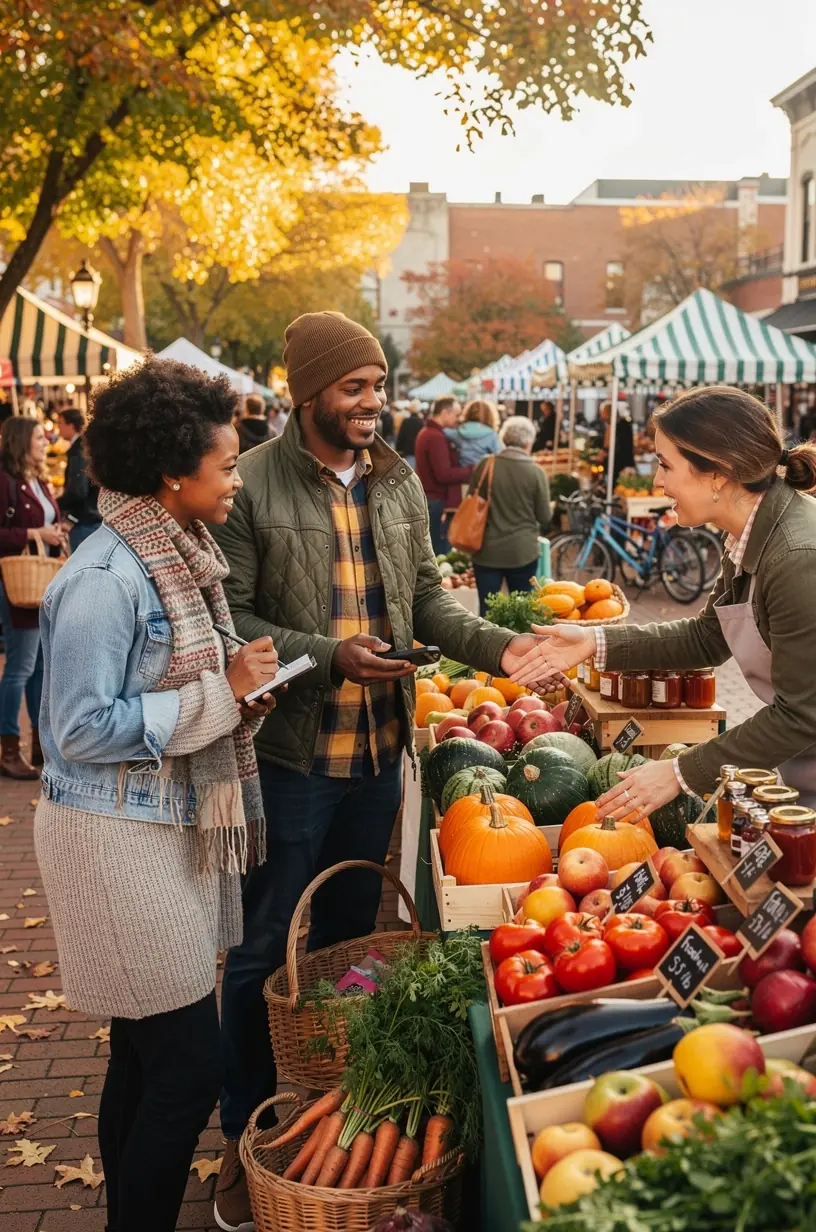
"Engagement in community events can foster a sense of identity and involvement among residents." - Community Development Expert
Step 1: Define Your Objectives
The first step in organizing a community event is to establish clear objectives. Consider what you hope to achieve. Common goals might include:
- Promoting local businesses
- Educating residents on critical issues
- Encouraging volunteerism
Setting specific and measurable goals can help guide the planning process and assess the event's success afterward.
Step 2: Assemble a Planning Team
Having a dedicated team can significantly enhance the planning process. Research indicates that collaborative efforts often lead to more innovative solutions and efficient task management. When forming your team, consider including individuals with diverse skills, such as:
- Event planning expertise
- Marketing experience
- Volunteer coordination
Each member should be assigned specific roles based on their strengths. This helps distribute the workload and ensures that all aspects of the event are covered.
Step 3: Choose a Suitable Venue
Selecting the right venue is crucial for the success of your event. Factors to consider when choosing a location include:
- Accessibility for all community members
- Capacity to accommodate expected attendees
- Facilities available (restrooms, parking, catering options)
Experts recommend visiting potential venues to assess their suitability firsthand before making a final decision.
Step 4: Promote Your Event
Effective promotion is essential for attracting attendees. Utilize various channels to reach your target audience, including:
- Social media platforms
- Local community boards
- Partnerships with local businesses and organizations
According to industry standards, it’s best to start promoting your event at least 4-6 weeks in advance to maximize engagement.
Step 5: Plan for Logistics
Logistical planning encompasses a range of considerations, from permits and insurance to catering and audiovisual needs. Ensure that you:
- Obtain necessary permits well in advance, as this process can take time
- Coordinate with vendors to confirm details closer to the event date
- Prepare for unexpected challenges by having contingency plans in place
This thorough preparation can help mitigate stress on the day of the event and enhance attendee experience.
Step 6: Gather Feedback
After the event, collecting feedback from attendees and volunteers can provide valuable insights for future events. Surveys can be distributed via email or social media, focusing on aspects such as:
- Overall experience
- Suggestions for improvement
- Interest in future events
Many organizers find that feedback helps in refining future planning efforts and increasing engagement over time.
Conclusion
Organizing community events involves multiple steps that require careful consideration and planning. By defining objectives, assembling a capable team, and addressing logistics, you can create successful gatherings that foster community bonds. Remember that learning from feedback is essential for continuous improvement in your event planning efforts.