How to Encourage Local Arts and Culture
Promoting local arts and culture is essential for community development and can significantly enhance social cohesion. This article explores practical, evidence-based strategies to inspire engagement in local artistic endeavors.
The Importance of Local Arts and Culture
According to research, communities with vibrant arts and culture scenes often report higher levels of community pride and cohesion. The principle behind this is that local arts not only provide entertainment but also serve as a platform for dialogue and self-expression, fostering a sense of belonging among residents.
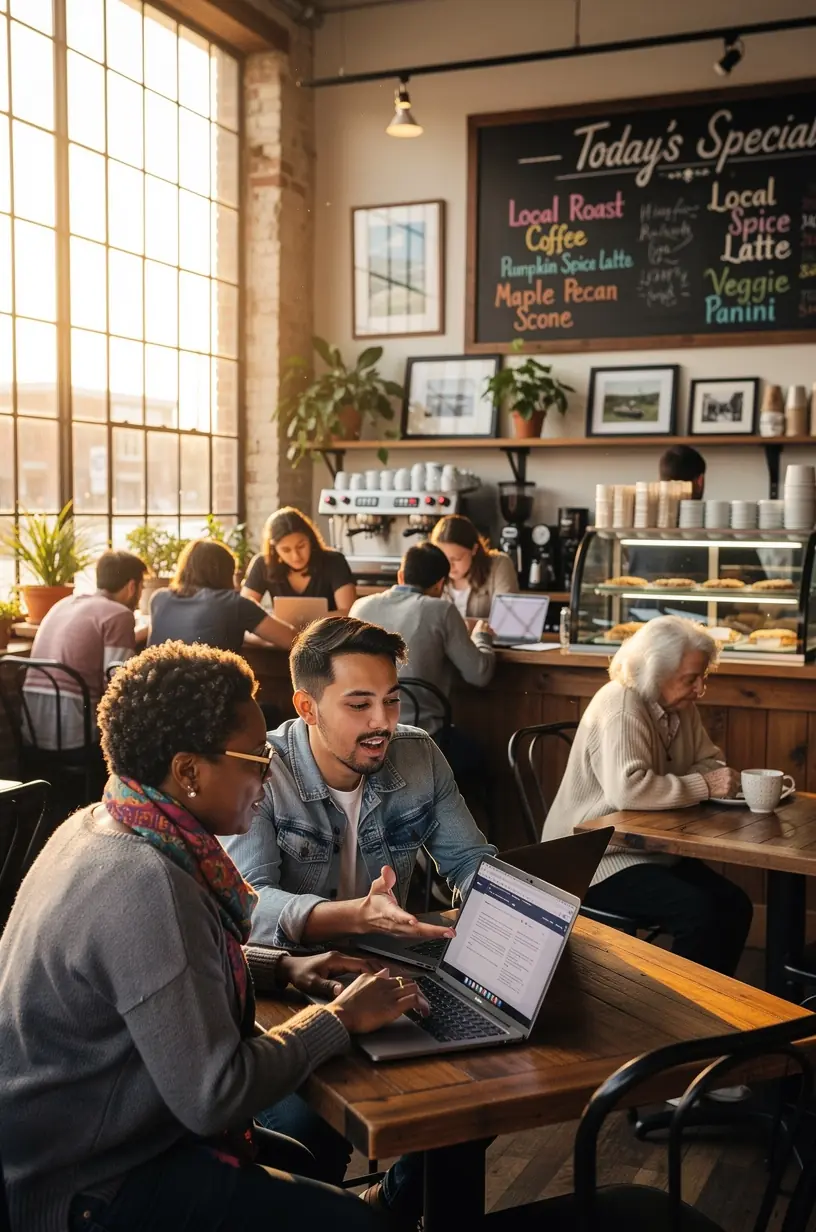
"Communities that actively engage in arts and culture initiatives tend to experience enhanced social interaction and creativity." - National Endowment for the Arts
Strategies to Promote Local Arts
- Collaborate with Local Artists: Engaging local artists for workshops, exhibitions, or community projects can create a direct connection between residents and the arts. This method has been shown to invigorate interest in local cultural expressions.
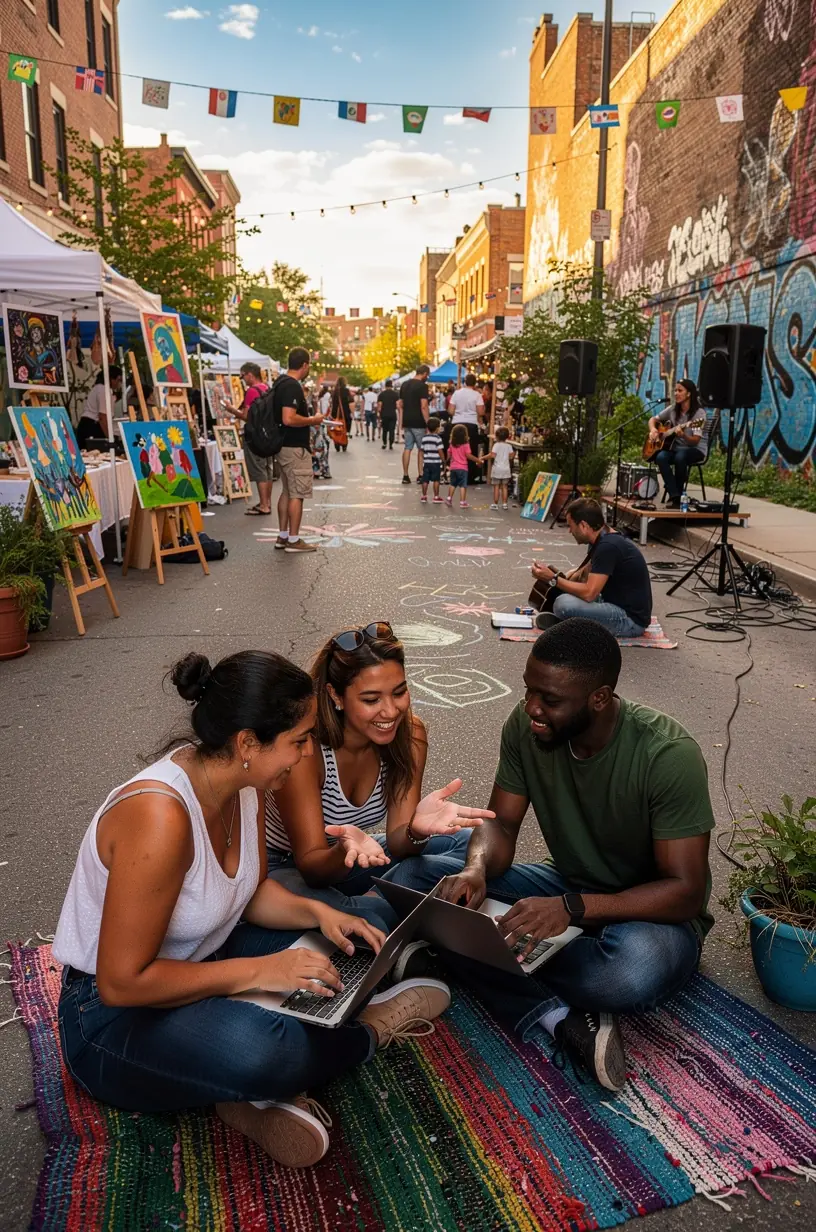
- Utilize Public Spaces: Hosting events in public spaces, such as parks or community centers, can make arts more accessible. Research indicates that outdoor events often attract diverse audiences, helping to bridge gaps between different community groups.
- Incorporate Arts Education: Schools and community centers that include arts education typically see increased participation in local arts activities. Experts suggest that providing children with exposure to various art forms early on instills a lifelong appreciation for the arts.
Community Engagement Initiatives
Fostering local arts requires a community-driven approach. This can include:
- Art Walks: Organizing regular art walks allows community members to explore local galleries and studios, promoting interaction between artists and the public.
- Local Art Grants: Establishing small grant programs to fund community art projects can motivate local creators to propose new initiatives. Many municipalities have successfully implemented such programs, resulting in a noticeable increase in community art projects.
- Collaborative Art Projects: Creating murals or public installations through community collaboration can foster a sense of ownership and pride in local art. The process of collaboration often enhances community identity.
Acknowledging Challenges
While promoting local arts and culture is beneficial, it's important to recognize potential challenges. For instance, securing funding can often take time and requires dedication from both artists and community leaders. Moreover, engaging a diverse population may require tailored outreach efforts, as not all demographics are equally represented in existing arts initiatives.
Conclusion
Encouraging local arts and culture can lead to significant community benefits, from enhancing social connections to fostering creativity. By implementing collaborative strategies and understanding the challenges involved, communities can create a rich cultural landscape that truly reflects their unique identity. Remember, effective engagement in local arts often requires sustained effort and a commitment to inclusivity.
Learn More